Common HVAC Issues Your Home Inspector Will Catch
Why Get an HVAC Inspection?
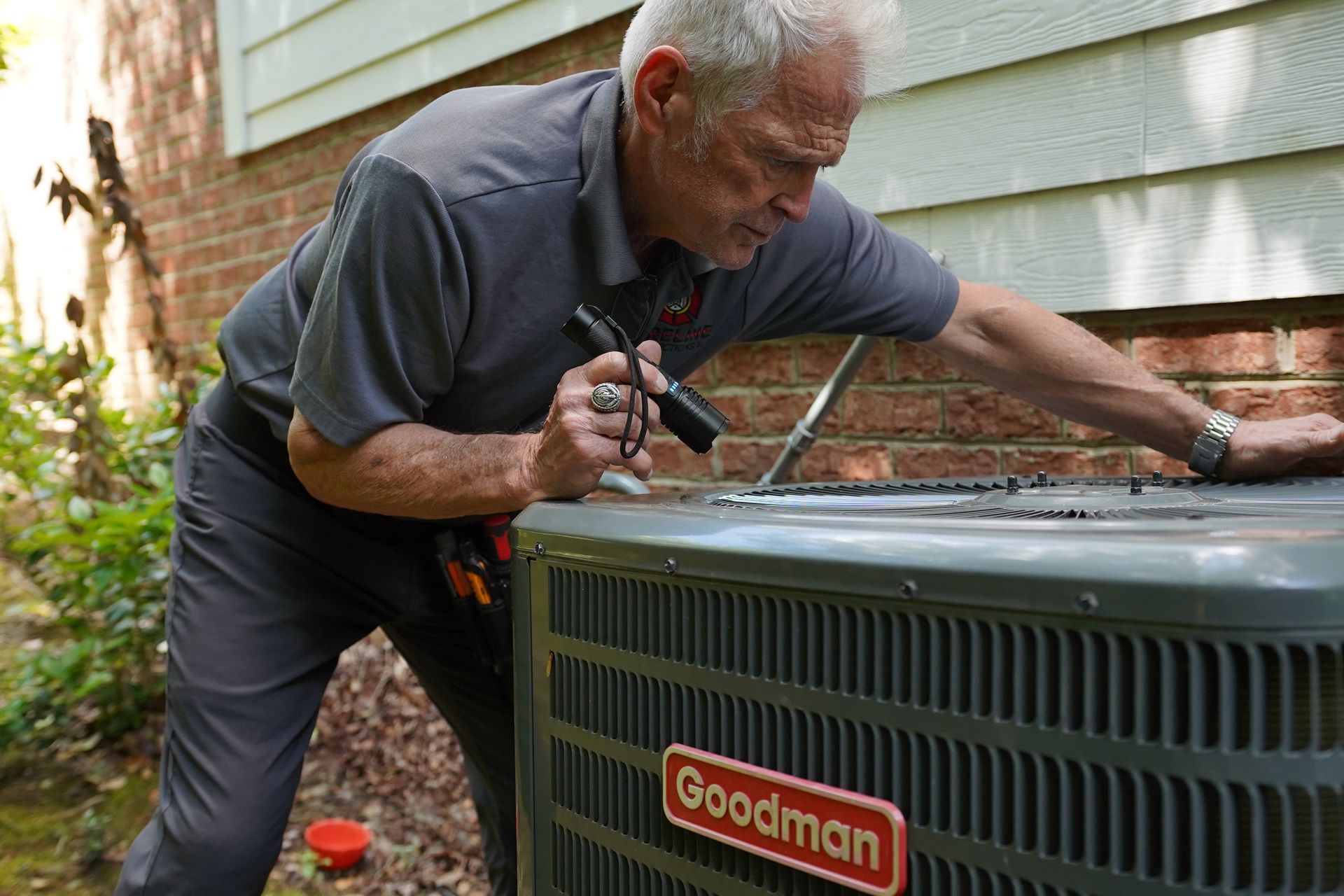
Properly functioning HVAC systems are crucial to the comfort, safety, and efficiency of your home. Poor maintenance, improper installation, and aging components are just some of the things that can cause HVAC issues. A home inspector can catch issues before they become more costly. Here are some common HVAC problems that a home inspector would catch.
Maintenance & Cleanliness
Routine maintenance is important to keep your HVAC system running smoothly. If maintenance is neglected or delayed, costly issues can develop.
- Dirty Filters: Restrict airflow and reduce indoor air quality.
- Dusty/Dirty Coils: Force the system to work harder, lowering efficiency.
- Blocked Vents: Prevent air from circulating evenly throughout the home.
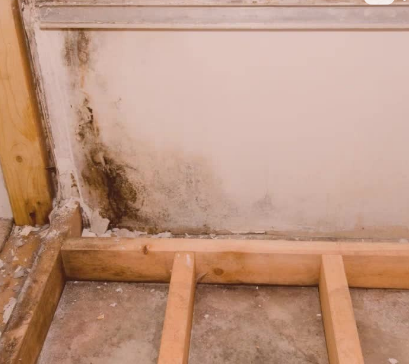
- Clogged Condensate Drain Line: Causes leaks and can lead to water damage or mold.
If your home inspector notices any of these issues, they may recommend replacing or cleaning filters, flushing the condensate line, cleaning coils, or seeking maintenance from a licensed HVAC technician.
Performance & Efficiency
If your HVAC unit is aging, installed incorrectly, or has faulty wiring and loose connections, you may experience issues with performance and efficiency.
- Short Cycling: When the unit turns on and off too frequently.
- Loose Wiring/Faulty Connections: Can lead to start-up failures or fire hazards.
- Aging or Worn Components: Decrease performance and may cause uneven heating or cooling.
- Refrigerant Leaks: Reduce cooling capacity and efficiency.
- Noisy Operation: Indicates loose or unlubricated mechanical parts.
If these issues are found, your inspector may suggest that you have an HVAC technician balance the system, adjust dampers, secure electrical components, recalibrate or replace the thermostat, or consider upgrading older equipment.
Air Distribution & Insulation
Issues with insulation and air distribution can lead to energy inefficiency and uneven heating or cooling across rooms.
- Leaky Ductwork: Causes treated air to escape before reaching the intended rooms.
- Poorly Insulated Ducts: Allow heated or cooled air to lose temperature in attics or crawl spaces.
- Inadequate Home Insulation: Increases heating and cooling demands.
- Uneven Airflow: Leads to hot and cold spots in the home.
When your home inspector comes across these issues, they may recommend that you have ducts re-sealed or re-insulated, or improve the overall insulation in your home.
Safety & Combustion Appliances
Your HVAC system can also create safety risks if issues are left unchecked.
- Cracked or Disconnected Flue Pipes: Can allow dangerous exhaust gases to enter your home.
- Inadequate Combustion Air Supply: Leads to incomplete burning of fuel.
- Carbon Monoxide Leaks: May result from improper venting or damaged heat exchangers.
- Missing/Faulty CO Detectors: Leave residents unaware of dangerous gas levels.
Carbon monoxide is a very dangerous gas, and having a functioning carbon monoxide detector is important. If your home inspector discovers any issues with your HVAC system creating these safety concerns, they may advise that you have damaged flue and vent pipes repaired or replaced, install or test carbon monoxide detectors, and ensure adequate ventilation for combustion appliances.
HVAC Maintenance Tips
- Change air filters every 1–3 months, depending on usage and filter type.
- Schedule professional maintenance at least once a year, ideally twice.
- Keep the outdoor unit clean of leaves, grass, dirt, and debris.
- Check thermostat settings regularly.
- Clean vents and registers that are dusty or dirty.
When to Get an HVAC Inspection
Getting an HVAC inspection is beneficial when buying or selling a home because it helps buyers avoid hidden costs and gives sellers proof of system maintenance and function. Experts also recommend getting your HVAC system inspected twice a year—once in the spring and once in the fall—to ensure your system is ready for peak use. You might also consider hiring an inspector if you notice:
- Poor airflow
- Inconsistent temperatures
- Strange noises or odors
- Short cycling
- High energy bills
- Water leaks/ice buildup
A professional home inspector can also identify potential issues after storm or construction damage. Systems over ten years old should also be checked more frequently.
Keep Your HVAC System Safe & Reliable in Charlotte, NC
A professional
home inspection will give you peace of mind, knowing your HVAC system is safe, efficient, and prepared for the changing seasons. Catching HVAC issues early can help avoid expensive repairs, improve energy efficiency, and protect the air quality in your home.
Whether you’re buying, selling, or maintaining a home, an HVAC inspection will ensure your heating and cooling systems are in peak condition. Contact Fireline Inspections today to schedule your home HVAC inspection in Charlotte, Lake Norman, Mooresville, or Huntersville, NC and surrounding areas!