Common Problems Found During Home Inspections in Fort Mill, SC
Common Problems Found in Fort Mill Home Inspections
Home inspections around Fort Mill frequently uncover concerns involving moisture, drainage, heating and cooling equipment, roofing, attic ventilation, and electrical components. Some findings result from age or deferred maintenance, while others can appear in newer homes because of installation problems or changing conditions around the property.
Fort Mill and its surrounding communities include everything from established homes with older systems to newer construction in rapidly developed neighborhoods. South Carolina’s humid conditions and periods of heavy rain also make water management especially important. A home may look well maintained during a showing while still having defects in its crawlspace, attic, roof, electrical system, or mechanical equipment.
Crawlspace Moisture & Ventilation Problems
Crawlspace moisture is a frequent concern in this part of South Carolina. Humid outdoor air, plumbing leaks, poor drainage, exposed soil, and inadequate moisture control can all contribute to damp conditions beneath a home.
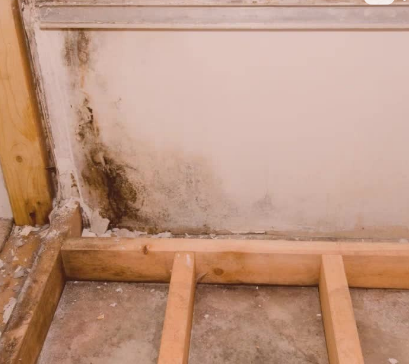
An inspector may observe condensation, water stains, damp insulation, standing water, damaged vapor barriers, wood deterioration, or visible growth that warrants further evaluation. Musty odors inside the home may also originate in the crawlspace, particularly when air moves upward through openings around plumbing, wiring, and ductwork.
Moisture does not always point to one simple repair. The source could be a leaking supply line, an HVAC condensate problem, groundwater intrusion, poor exterior grading, or downspouts releasing roof runoff too close to the foundation. A thorough inspection documents the visible conditions so you can determine whether a plumber, drainage contractor, HVAC professional, mold specialist, or another qualified contractor should investigate further.
Crawlspace findings deserve attention because prolonged moisture can affect insulation, floor framing, indoor comfort, and air quality. Correcting the source is generally more important than treating only the visible symptoms.
Drainage & Grading Around the Foundation
Drainage problems often begin outside the home. The ground should direct water away from the foundation, but landscaping changes, erosion, settlement, and poorly planned additions can alter how runoff moves across a property.
Common inspection findings include:
- Soil or landscaping sloping toward the house
- Downspouts ending beside the foundation
- Missing or damaged gutter extensions
- Ponding water near the home
- Erosion around foundations, walkways, or retaining walls
- Clogged gutters that allow water to spill over
- Drainage systems that appear damaged or poorly maintained
These conditions are particularly relevant around Fort Mill because roofs, driveways, patios, streets, and other hard surfaces prevent rainwater from soaking directly into the ground. Runoff must go somewhere, and poor grading can direct it toward a crawlspace, basement, garage, or foundation instead of safely away from the structure.
Inspectors look for visible evidence of current and past water movement, including staining, erosion, sediment deposits, and low areas where water may collect. The inspection cannot predict how every property will perform during a future storm, but it can identify conditions that increase the risk of moisture intrusion.
HVAC Wear, Drainage Issues & Maintenance Needs
HVAC systems work hard during warm, humid South Carolina summers. Inspection findings may include dirty filters, damaged insulation around refrigerant lines, rust, improper condensate drainage, disconnected ducts, weak airflow, or equipment that does not respond normally to the thermostat.
Condensate management is especially important. Air conditioning systems remove moisture from indoor air, producing water that must drain properly. A clogged, leaking, or poorly routed condensate line can contribute to staining, damaged materials, and microbial growth around the air handler or in an attic or crawlspace.
An inspector operates accessible heating and cooling equipment under appropriate conditions and documents visible concerns. This evaluation is not the same as a full HVAC service appointment, and it cannot determine exactly how long a system will last. If equipment is aging, performing inconsistently, or showing signs of leakage or damage, the report may recommend further evaluation by a licensed HVAC contractor.
Even when the system operates during the inspection, maintenance records, equipment age, filter condition, and visible installation details can help you plan for future service or replacement.
Roofing Defects & Attic Ventilation Concerns
Roof problems do not always produce an active ceiling leak. Damaged shingles, deteriorated flashing, exposed fasteners, worn pipe boots, debris-filled gutters, and poorly sealed roof penetrations can create vulnerable areas before water becomes visible inside the living space.
Inspectors evaluate accessible roofing materials, drainage components, penetrations, flashing, and visible signs of previous repairs. When walking the roof is not safe or practical, specialized equipment such as a drone may assist with the evaluation.
The attic can reveal additional information about roof performance. Moisture staining, damaged roof decking, compressed or missing insulation, blocked soffit vents, and disconnected bathroom exhaust ducts may indicate conditions that need attention. Exhaust fans that release humid air into the attic instead of outdoors can add unnecessary moisture to the space.
Ventilation and insulation also work together. Uneven insulation can reduce energy efficiency, while inadequate ventilation may contribute to heat and moisture buildup. An inspection identifies visible deficiencies without making unsupported promises about energy savings or predicting when a leak may occur.
Electrical Issues in Older & Newer Homes
Electrical concerns can appear in homes of any age. Older properties may contain aging equipment or modifications completed under past standards. Newer homes can still have loose connections, incomplete work, or installation details that were missed during construction.
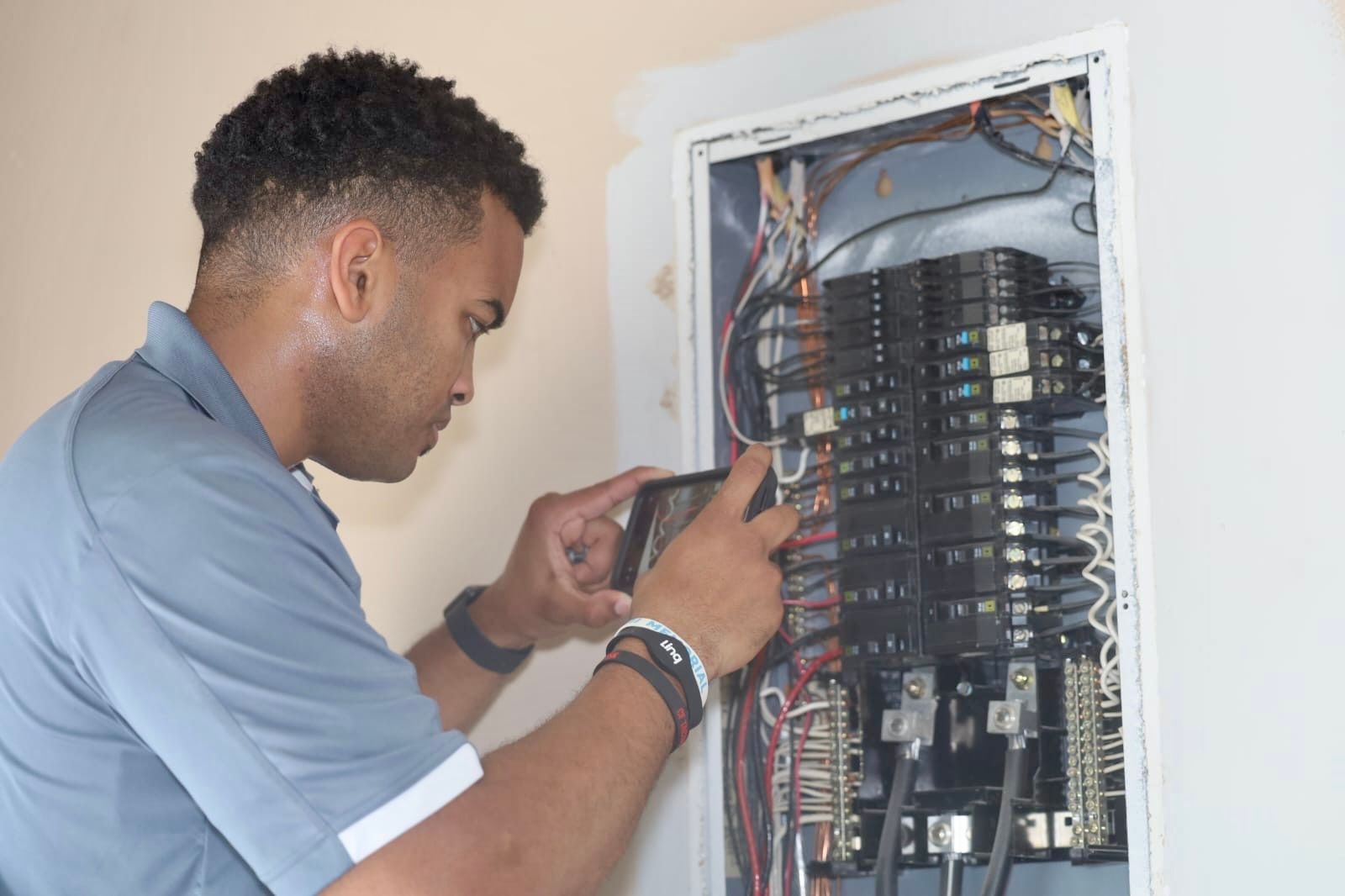
Common findings may include damaged outlets, missing GFCI protection in applicable areas, open junction boxes, loose fixtures, improperly terminated wiring, overcrowded panels, double-tapped breakers, or missing covers. Inspectors also examine accessible service equipment, panels, switches, receptacles, grounding components, and installed fixtures.
A home inspection is not a complete electrical code inspection. Its purpose is to identify visible defects and safety concerns within the inspection scope. Electrical panels and wiring should not be opened or repaired by an unqualified person. When a report identifies a significant concern, a licensed electrician can provide a more specialized evaluation and recommend the appropriate correction.
What Should You Do With the Inspection Findings?
An inspection report helps you separate urgent concerns from routine maintenance and long-term planning. Not every defect is a reason to walk away from a property, and no home is expected to be completely free of findings.
Start by reviewing the report carefully and asking the inspector for clarification when a description or photograph is unclear. Your real estate agent can help you understand how the findings fit into the transaction, while qualified contractors can provide repair recommendations and estimates when specialized evaluation is needed.
Pay particular attention to conditions involving active water intrusion, electrical safety, structural components, roofing, and major mechanical systems. Smaller maintenance items still matter, but they can often be prioritized separately instead of distracting from larger concerns.
The inspection reflects visible and accessible conditions at a specific point in time. It does not guarantee that a system will never fail or uncover every concealed defect. Its value comes from giving you a clearer, professionally documented picture of the property before you make your next decision.
Schedule a Home Inspection in Fort Mill, SC & the Surrounding Communities
Fireline Inspections provides InterNACHI-certified, state-licensed home inspections backed by detailed digital reporting. Our firefighter-owned team evaluates the accessible systems and components of the property, documents observed concerns with photographs, and explains the findings clearly.
We serve Fort Mill, Lake Wylie, Tega Cay, York, and surrounding areas. Contact Fireline Inspections or schedule online when you need dependable information about a home’s condition.