

What Are the Signs of Hidden Mold in a House?
How to Tell If Your Home Has Hidden Mold
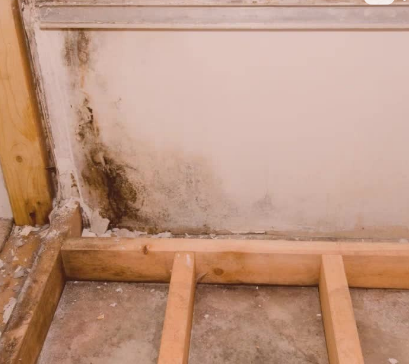
Mold doesn't always show up where you can see it. By the time visible growth appears on a wall or ceiling, there's often already a much larger problem hiding behind it. Knowing the less obvious signs of hidden mold can help you catch a problem early, before it turns into a bigger health or structural issue.
Musty Odors That Won't Go Away
A persistent musty or earthy smell is one of the most reliable signs of hidden mold, even when nothing is visible. Mold often grows in places you can't easily see, like inside wall cavities, under flooring, or behind cabinets, and the smell is frequently the only clue it's there. If a musty odor lingers in one particular room or area no matter how much you clean or air the space out, it's worth having that area tested rather than assuming it will go away on its own.
Unexplained Allergy or Respiratory Symptoms
Increased sneezing, coughing, congestion, or eye irritation that seems to happen more at home than anywhere else can point to mold exposure, especially if the symptoms improve when you're away from the house for an extended period. Mold spores can trigger these reactions even when the mold itself is hidden inside walls, ductwork, or crawlspaces, making it easy to mistake them for seasonal allergies or a cold that won't quite clear up.
Past Water Damage That Wasn't Fully Dried Out
Any area that's experienced a leak, flood, or significant moisture, even briefly, is a candidate for hidden mold growth if it wasn't thoroughly dried within 24 to 48 hours. This includes areas around windows, under sinks, behind appliances like washing machines and water heaters, and anywhere a roof or plumbing leak has occurred in the past. Mold can begin growing within days of water exposure, often well before any visible sign appears on the surface.
Peeling Paint, Warped Wood, or Bubbling Drywall
Changes in the condition of paint, wood, or drywall can indicate moisture trapped behind the surface, which is exactly the environment mold needs to grow. Peeling or bubbling paint, warped baseboards, or drywall that feels soft or looks slightly discolored are all worth a closer look, even if there's no visible mold growth yet. These symptoms often show up before mold becomes visible to the naked eye.
High Humidity or Condensation Issues
Consistently high indoor humidity, foggy windows, or condensation on pipes and walls all create the moist environment mold needs to establish itself. Areas without adequate ventilation, like basements, crawlspaces, and bathrooms, are especially prone to this kind of hidden moisture buildup. If a home consistently feels damp or humid despite normal climate control, it's worth investigating what's causing it before mold has a chance to take hold.
Where Hidden Mold Tends to Hide
Certain areas of a home are more prone to hidden mold growth simply because they trap moisture and get less airflow. HVAC ductwork can circulate mold spores throughout a house if moisture builds up inside the system, often without any obvious sign in the living spaces themselves. Attics with poor ventilation or roof leaks are another common hiding spot, along with the space behind wallpaper, which can trap moisture against drywall for years without detection. Crawlspaces and basements round out the list, since both tend to have higher humidity and less natural light or airflow than the rest of the house.
What Happens If Hidden Mold Goes Untreated
Mold that goes unaddressed doesn't stay contained to one small area forever. Left alone, it can spread through wall cavities, damage structural wood over time, and continue releasing spores into the air a household breathes daily. What starts as a minor, containable issue can turn into a much larger remediation project, both in scope and cost, the longer it's left unaddressed. Catching it early through testing is almost always simpler and less expensive than dealing with an established, spread-out mold problem later.
Why Testing Matters More Than Guessing
Many of these signs can have other explanations, which is exactly why testing matters more than trying to diagnose the problem by smell or symptoms alone. Professional mold testing involves air and surface sampling sent to a lab for analysis, giving you a definitive answer instead of a guess. Getting a clear result means you know whether you're actually dealing with a mold problem, and if so, how serious it is, before deciding on next steps.
Schedule Mold Testing in Rock Hill & the Surrounding Areas
Fireline Inspections is a firefighter-owned, InterNACHI certified inspection company serving Rock Hill, Fort Mill, Charlotte, Belmont, Waxhaw, and the surrounding area. Mold testing starts at $350, with lab results typically back within 24 to 48 hours, so you get a clear answer quickly instead of waiting weeks. Whether you've noticed one of these signs or just want peace of mind, our team makes the process straightforward from scheduling to getting your results. Contact us today to schedule your mold test.