

Crawlspace Seasonal Maintenance: Vent Timing, Humidity Control, and Vapor Barriers
Seasonal Crawlspace Maintenance Tips for Homeowners
Having a consistent seasonal maintenance plan for your crawlspace protects indoor air quality, prevents structural damage, and reduces energy costs. This guide explains when to open and close crawlspace vents, how humidity control and vapor barrier installation fit into seasonal routines, and what to expect when hiring professionals. For homeowners in both North and South Carolina, understanding local climate patterns helps tailor the timing of these measures.
When Should You Open or Close Crawlspace Vents for Seasonal Weather?
Traditional crawlspace vents were designed to provide natural ventilation, but ideal timing now depends on local climate and moisture concerns. In cooler, drier months, many homeowners close vents to prevent cold air infiltration that raises heating costs and can freeze exposed plumbing. In warmer months, opening vents may help reduce trapped moisture in low-humidity climates, but in humid regions, they often introduce more moisture than they remove. For much of the year—especially during periods of persistent humidity or heavy rain—keeping vents closed and focusing on mechanical dehumidification and a sealed vapor barrier provides more consistent moisture control.
What Role Does Humidity Control Play in Crawlspace Health?
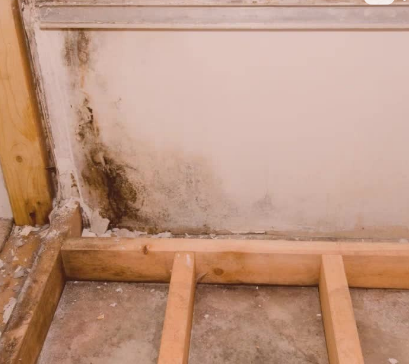
High relative humidity in a crawlspace encourages mold, wood rot, and pest activity, while low humidity can dry and crack materials. Mechanical dehumidifiers designed for crawlspaces maintain stable humidity levels year-round, regardless of vent status. A well-maintained dehumidifier paired with proper drainage and grading reduces the risk of moisture-related problems. Professionals can recommend setpoints that reflect seasonal shifts and local climate—this is particularly important in coastal and subtropical areas, where humidity stays elevated much of the year.
Which Benefits Come from Professional Vapor Barrier Installation?
- Improved Moisture Management: A continuous, professional-grade vapor barrier reduces ground moisture transmission and works year-round as part of a sealed system.
- Reduced Mold and Odors: Sealing the ground and encapsulating walls limits mold-friendly conditions and improves crawlspace air quality.
- Energy Efficiency Gains: Sealing vents and installing a vapor barrier reduces heat loss and lowers the load on HVAC systems.
- Structural Protection: A vapor barrier prevents wood rot and insulation degradation, which can lead to costly repairs.
- Compatibility with Dehumidification: Vapor barriers and mechanical dehumidifiers together create a stable environment.
- Warranty and Longevity: Professional installation often includes warranties and ensures materials are correctly overlapped, sealed, and attached to prevent failures that DIY attempts commonly produce.
- Local Climate Expertise: Contractors know when vent management and vapor barrier choice should differ between coastal, Piedmont, and mountain microclimates.
How Do Seasonal Schedules Differ for North versus South Climates?
Seasonal timing varies by latitude and local weather patterns. In the northern parts of the Carolinas and at higher elevations, vents may be closed earlier in the fall to prevent cold-air intrusion and reduce the risk of freezing. In southern coastal areas, prolonged humidity and salt-laden air often mean vents should remain closed year-round, with reliance on mechanical humidity control and a sealed vapor barrier. Because these regions have diverse microclimates, professionals typically recommend tailored schedules rather than blanket rules—local expertise ensures vent decisions and humidity strategies align with prevailing seasonal conditions.
When Should You Hire a Professional for Crawlspace Maintenance?
Engage a qualified crawlspace contractor when you notice musty odors, visible mold, persistent dampness, uneven flooring, or elevated energy bills. Professionals perform comprehensive assessments—checking drainage, vapor barrier integrity, insulation, vent seals, and dehumidifier capacity—and provide a coordinated seasonal plan. While some homeowners consider DIY fixes, inexperienced installation of vapor barriers or improper vent decisions often leads to persistent problems and higher long-term costs. A professional approach reduces risk and yields measurable improvements in air quality, structural durability, and energy performance.
Do Your Crawlspaces Need Maintenance in Charlotte, NC?
If you own property and the crawlspace is due for maintenance in the Charlotte, Gastonia, Indian Trail, or Lancaster areas, contact us at Fireline Inspections. We work in both North and South Carolina, and because we are firefighter-owned, the safety of everyone in the Carolinas is of the utmost importance. We’ve been inspecting crawlspaces in Charlotte, NC, for years, and we offer financing options.