
What Is Included in a Home Inspection?
What Does a Home Inspection Actually Cover?
If you are buying a home in the Charlotte area, a home inspection is one of the most important steps between making an offer and closing the deal. It is your opportunity to find out exactly what you are getting before you sign. No house is perfect, and that is not the point. Even well-maintained homes typically have a handful of items that come up during an inspection, and discovering them before closing gives you the information you need to negotiate repairs, adjust your offer, or simply plan ahead for what comes next. Even brand new construction homes in the Charlotte Metro can have installation defects, overlooked details, or systems that were not completed correctly before the builder closed out. A thorough inspection protects your investment regardless of the age or condition of the property.
A standard home inspection at Fireline Inspections covers the roof, exterior and foundation, electrical system, plumbing, HVAC, attic, crawlspace, appliances, and interior components. Add-on services are also available for radon, mold, sewer scope, water quality, drone roof inspection, and more.
At Fireline Inspections, our InterNACHI-certified and state-licensed inspectors evaluate every accessible system and component of the home, deliver a detailed report with photos within 24 hours, and walk you through every finding so you leave fully informed. Here is a complete breakdown of what that inspection covers.
What Do Home Inspectors Look for on the Exterior and Foundation?
The inspection begins on the outside of the home. Your inspector evaluates the foundation for cracks, settlement, or signs of movement that could indicate a structural problem. Grading, which refers to how the ground slopes around the home, is checked to confirm water is directed away from the foundation rather than pooling against it. Poor grading is one of the most common contributors to water intrusion in Charlotte homes, particularly in neighborhoods with older landscaping that has shifted over time. Siding, trim, windows, doors, decks, driveways, and walkways are all evaluated for damage, deterioration, and proper installation. What looks like a cosmetic issue on the exterior can sometimes point to a deeper moisture or structural concern, which is why this part of the inspection is more involved than it might appear from the outside.
How Drone Technology Changes the Way We Inspect Your Roof
The roof is one of the most expensive components of any home to replace, and it is also one of the most commonly misrepresented in real estate transactions. At Fireline Inspections, we use drone technology to perform a complete aerial roof inspection that gives us a level of access and detail that a traditional approach simply cannot match. Our inspectors are trained in drone operation through their first responder experience, and using that equipment in the field means we can evaluate roofing material condition, flashing, gutters, downspouts, chimneys, skylights, and roof penetrations from angles that reveal damage that might otherwise go undocumented.
Charlotte's spring storm season and summer heat cycles take a real toll on roofing systems over time. Wind-driven rain, hail impacts, and repeated expansion and contraction of shingles through Carolina summers can shorten a roof's lifespan significantly. Catching granule loss, lifted flashing, deteriorating sealant, or storm damage before you close means you can negotiate repair credits, request the seller address the issue, or factor replacement cost into your offer. A roof that looks fine from the driveway can tell a very different story at 50 feet with a drone camera.
What Does a Home Inspection Include for the Electrical System?
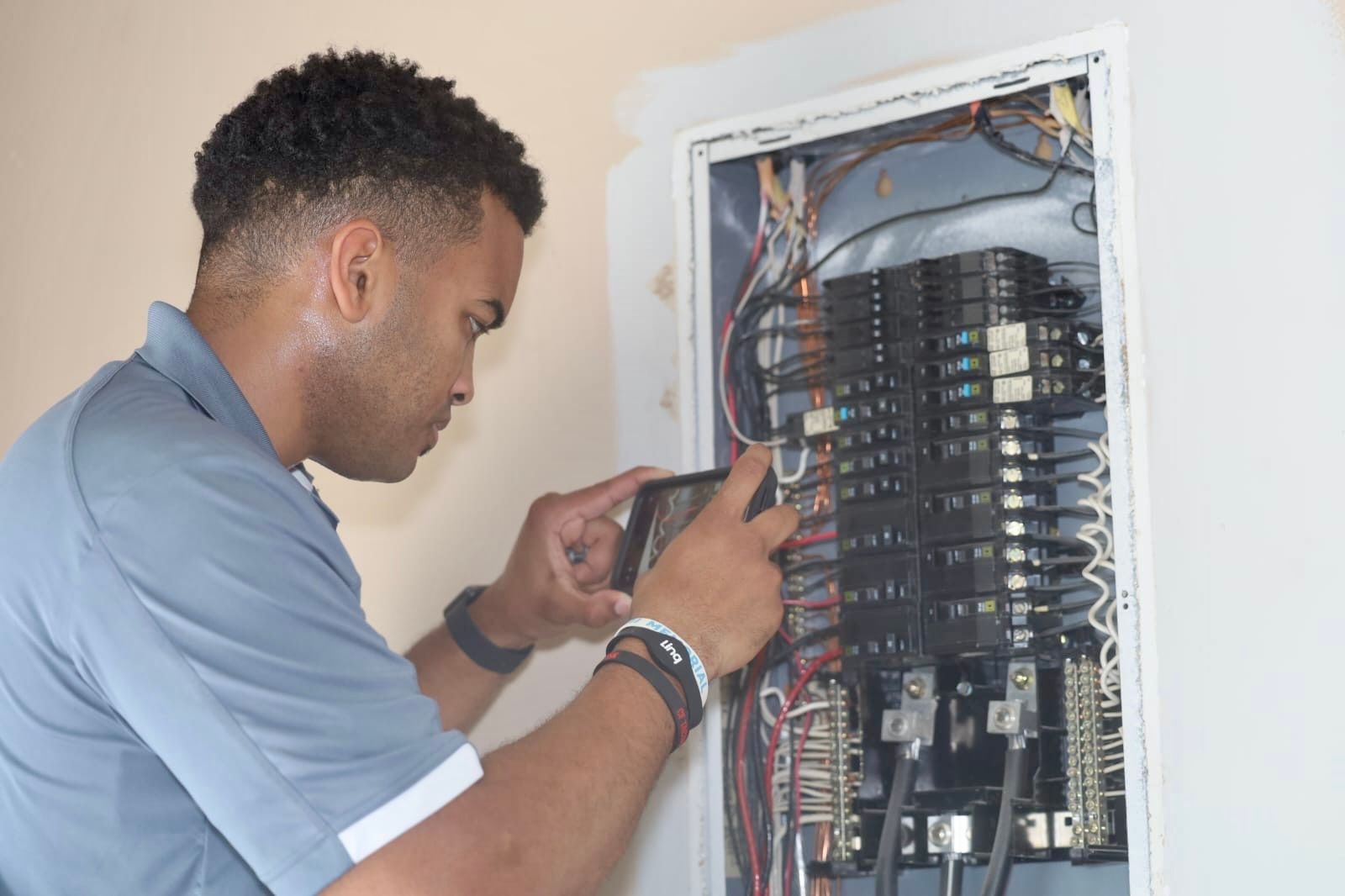
The electrical inspection covers the service entrance, main panel, circuit breakers, wiring, outlets, switches, light fixtures, and grounding and bonding throughout the home. In older Charlotte neighborhoods, aging electrical systems are one of the most common sources of findings. Two issues that come up regularly are double-tapped breakers and aluminum wiring. A double-tapped breaker means two wires share a single circuit breaker rated for one, which can cause it to fail during an overload and creates a fire risk. Aluminum wiring, found in some homes built in the 1960s and 1970s, can loosen over time at connection points and is a fire hazard if not properly managed. Finding either of these gives you documented leverage to negotiate or require correction before closing. We also use thermal imaging cameras, which can identify hot spots in electrical components that are not visible to the naked eye.
What Do Home Inspectors Check in the Plumbing?
The plumbing inspection covers water supply lines and fixtures, drain, waste, and vent pipes, the water heater, sump pumps where present, and overall water pressure and flow. Your inspector is looking for active leaks, corrosion, improper pipe materials, drain backup issues, and signs of previous water damage that may not have been disclosed. The water heater is evaluated for age, condition, proper installation, and whether the temperature and pressure relief valve is functioning correctly, which is a safety device that prevents dangerous pressure buildup inside the tank. Plumbing issues are among the most negotiable findings in a real estate transaction, and buyers who have a documented inspection report are in a much stronger position than those who discover a problem after moving in.
How Is the HVAC System Evaluated During a Home Inspection?
Heating and cooling systems are evaluated for condition, age, functionality, and proper installation, including the furnace or heat pump, air conditioning unit, ductwork, vents, and thermostat. Charlotte summers put real strain on HVAC systems, and units that are limping along in spring can fail entirely when the heat peaks in July and August. One of the more serious findings is a cracked heat exchanger, the component in a gas furnace that separates combustion gases from the air circulated through your home. A crack can allow carbon monoxide to enter the living space, which is a serious safety issue and a significant repair. Knowing the age and condition of the system before closing helps buyers budget realistically and avoid a major replacement in their first Carolina summer.
What Does a Home Inspector Look for in the Attic?
The attic inspection evaluates insulation levels, ventilation, the condition of the roof deck from the inside, and any signs of moisture intrusion, pest activity, or prior repairs. Carolina humidity creates conditions where attic moisture issues develop faster than in drier climates, particularly in homes where bathroom exhaust fans are vented into the attic instead of through the roof, which is a common installation error. Inadequate ventilation traps heat and moisture, accelerates shingle deterioration from below, and can lead to mold growth in the attic space. Buyers who skip or minimize the attic inspection are often the ones who discover these problems after the first heavy rain.
Why Is the Crawlspace One of the Most Important Parts of a Charlotte Home Inspection?
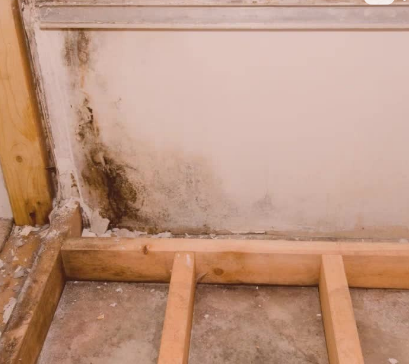
Crawlspace moisture is one of the most consistently flagged issues in Charlotte area home inspections. The combination of Carolina humidity, older home construction, and inadequate vapor barriers creates conditions where standing water, wood rot, mold, and pest activity are common below homes in this region. The inspection covers moisture levels, vapor barrier condition, structural supports, wood framing, evidence of pest damage, and ventilation. Left unaddressed, active moisture can compromise floor structure, create persistent air quality issues, and attract termites. A documented crawlspace finding gives buyers real negotiating power and helps avoid one of the more expensive surprises in homeownership.
Are Appliances Included in a Home Inspection?
A standard home inspection at Fireline Inspections also includes an evaluation of built-in appliances. This covers the oven and cooktop, dishwasher, built-in microwave, garbage disposal, and range hood. Laundry appliances are evaluated where accessible. While appliance issues are rarely deal-breakers on their own, a non-functioning appliance documented in the inspection report is a legitimate negotiation point and can save buyers from discovering the problem after the seller has moved out.
What Are the Most Common Issues Found During a Home Inspection?
Understanding what inspectors find most frequently helps buyers know what to expect when findings come up in the report. Some of the most common issues across Charlotte area homes include improper grading around the foundation, crawlspace moisture and inadequate vapor barriers, double-tapped breakers in the electrical panel, GFCI outlets that are missing or non-functional in bathrooms and kitchens, water heaters that are past their service life, roof flashing that has lifted or deteriorated around chimneys and penetrations, aging or poorly maintained HVAC systems, and attic ventilation that is insufficient for the size of the space. Most of these findings are addressable. The goal of the inspection is not to find a reason to walk away from a home but to give you a complete and honest picture of what you are buying so you can make the right decision with full information.
How Far Can a Home Inspection Go?
A standard home inspection is a thorough visual evaluation of every accessible system and component in the home, and for most buyers it answers the questions that matter most. For those who want to go further, Fireline Inspections is a true one-stop shop for specialty testing that most inspection companies cannot offer in a single visit. Radon testing measures levels of a naturally occurring radioactive gas that cannot be detected without testing and is the second leading cause of lung cancer in the United States. Mold and air quality testing identifies elevated spore counts or air quality concerns, particularly relevant in homes with crawlspace moisture. A sewer scope inspection sends a camera through the main sewer line to check for blockages, root intrusion, or pipe damage. Water quality testing evaluates your drinking water for contaminants. Pool and spa systems, irrigation, and detached structures can also be assessed. Fireline's inspection bundles make it easy to combine services and get a comprehensive picture of the entire property in one visit at a better value than scheduling each separately.
What Happens After the Home Inspection Is Complete?
If your inspection is completed before 4pm, your detailed photo report is delivered the same day. Inspections completed after 4pm are delivered by the next business day. The report documents every finding with images, explains what was observed, and identifies items needing immediate attention versus longer-term maintenance considerations. Your inspector walks you through the overall condition of the home before leaving so you are not waiting on the report to understand what was found. Buyers typically use the report to request repairs from the seller, negotiate a closing credit, or budget for what they know is coming. Having a professionally documented report is what gives that conversation real weight at the negotiating table. Fireline Inspections also offers a pay-at-close option, allowing you to defer the inspection cost to closing at no additional charge.
Schedule Your Home Inspection in the Charlotte and York County Areas
If you are buying, selling, or simply want to know the true condition of your home,
contact Fireline Inspections to schedule today. We serve
York,
Fort Mill, SC,
Charlotte,
Gastonia, NC, and surrounding areas with InterNACHI-certified
home inspections, same-day reports, drone roof inspections, and a full range of specialty testing services. Veterans, first responders, and teachers receive $50 off every inspection. Schedule online or call us today for a free instant quote.