
Roof Inspections Using Drone Technology: What to Know
Drone Technology & Roof Inspections: A Safer, Smarter Approach
In recent years, the roofing industry has experienced a significant transformation thanks to advancements in drone technology. Traditionally, roof inspections relied on physical climbs or, in some cases, aerial lifts, which could be time-consuming, risky, and sometimes challenging to perform—especially on large or complex roofs. Today, certified roofing professionals utilize drones to conduct efficient, comprehensive, and safer inspections. If you’re a homeowner, property manager, or roofing contractor, understanding how drone technology enhances roof inspections is essential. Here’s what you need to know.
The Rise of Drone Technology in Roof Inspections
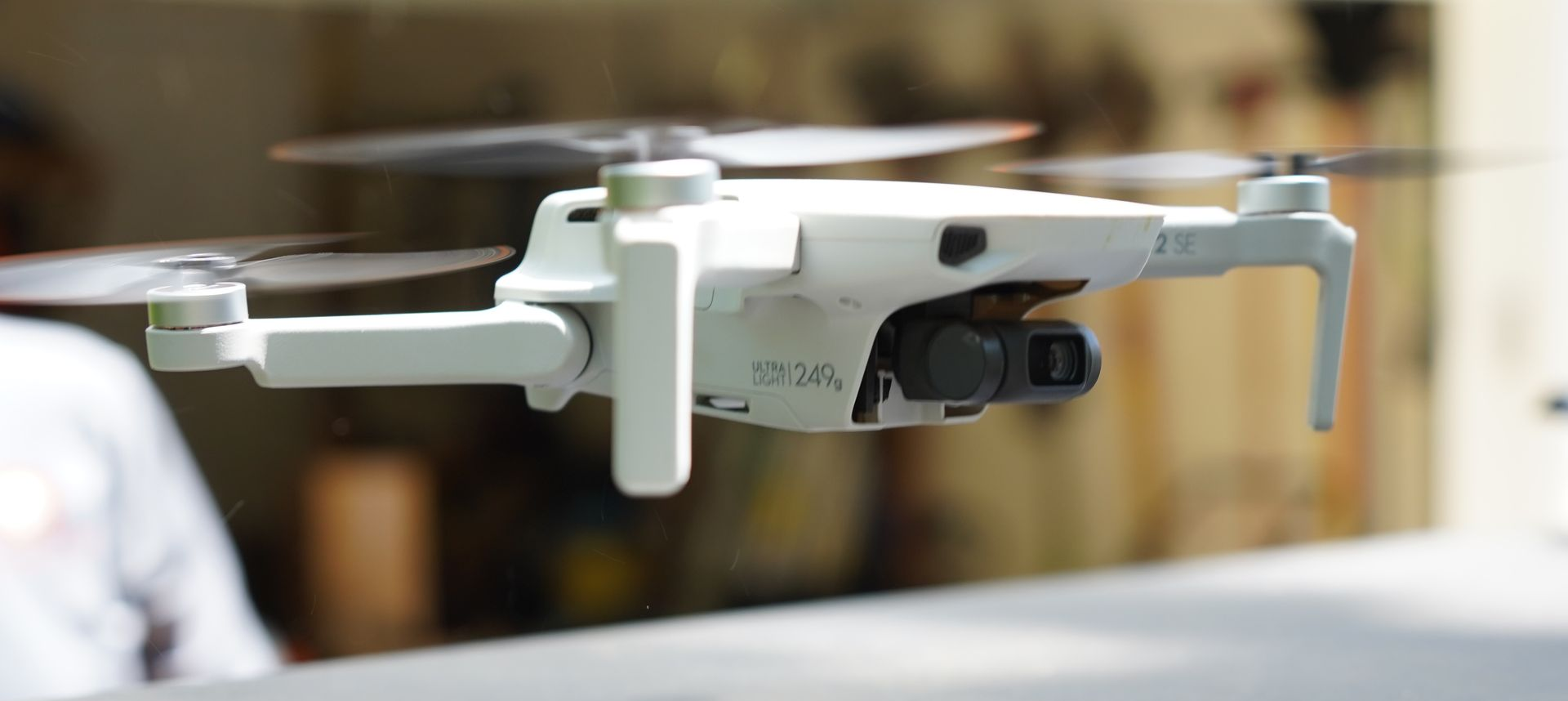
Drones, also known as Unmanned Aerial Vehicles (UAVs), are equipped with high-resolution cameras and sensors that enable them to capture detailed images and videos from various angles and altitudes. When used by trained, certified professionals, drones can quickly assess roof conditions with minimal disruption. Their ability to access hard-to-reach areas and provide a bird’s-eye view makes them invaluable for thorough inspections.
Benefits of Using Drones for Roof Inspections
- Safety First: Climbing onto roofs always involves risks of falls, injuries, or property damage. Drones eliminate these hazards by allowing inspectors to examine roofs remotely from the ground or a safe distance.
- Efficiency and Time-Saving: Drone inspections are significantly faster than traditional methods. What might take hours can often be completed within 30 minutes to an hour, enabling faster assessments and quicker decision-making.
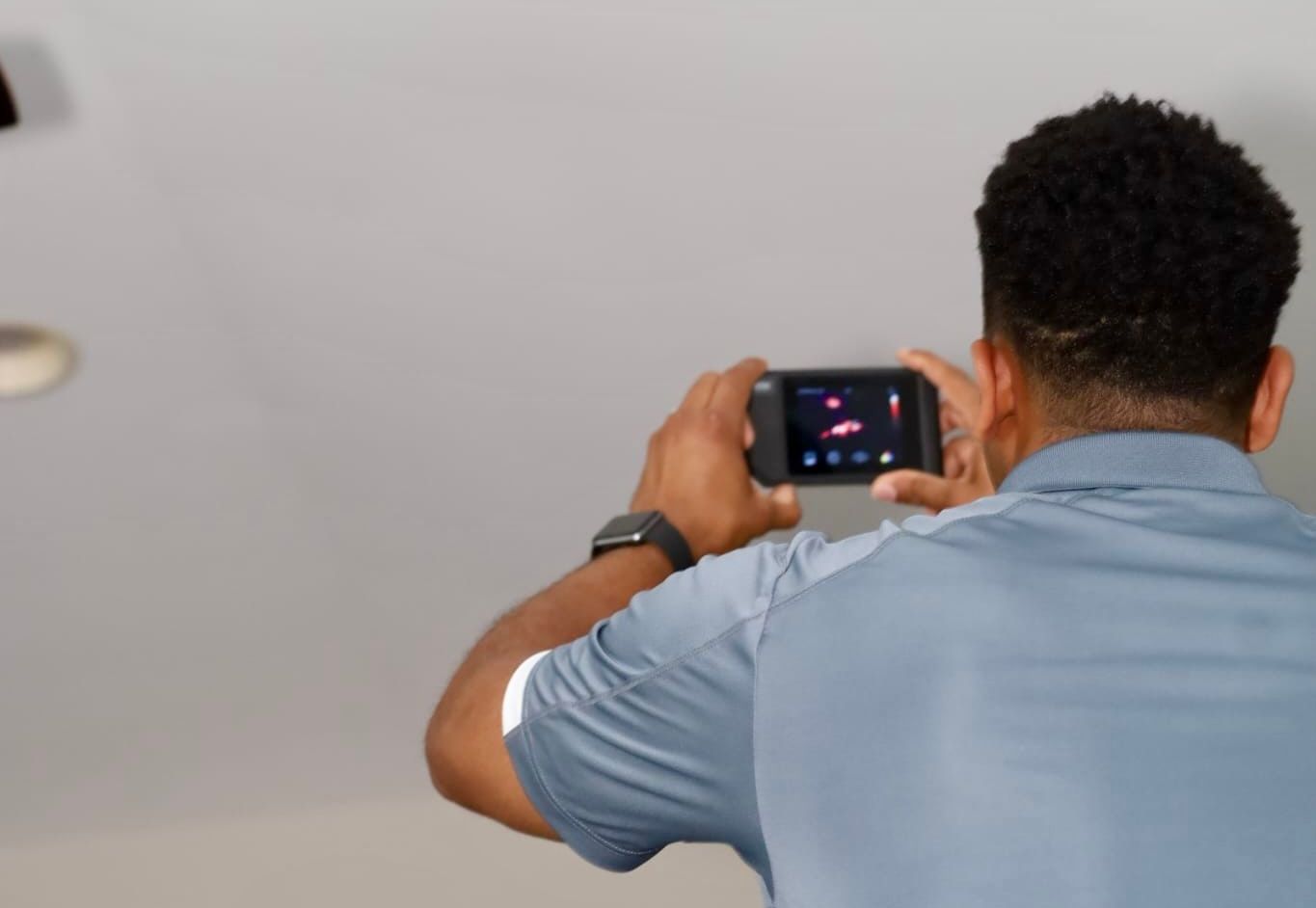
- Detailed Imaging and Documentation: Modern drone cameras capture high-resolution images, including infrared and thermal imaging, which can detect issues invisible to the naked eye. These images serve as detailed documentation for insurance claims, repair planning, or maintenance schedules.
- Comprehensive Data Collection: Drones can survey entire roofs, capturing multiple angles and creating detailed maps or 3D models. This extensive data enables professionals to identify damaged areas, missing shingles, leaks, or other vulnerabilities precisely.
- Cost-Effective: Though there is an initial investment, using drones reduces labor costs and minimizes the need for extensive site prep. Additionally, early detection of issues prevents costly repairs in the future.
How Certified Professionals Use Drones for Roof Inspections
A professional roofing inspector certified in drone operation follows a systematic approach to ensure accurate and useful results:
- Preparation and Safety: The inspector begins by checking the drone’s battery, sensors, and controls. They also assess weather conditions to ensure safe flying, avoiding high winds, rain, or low visibility.
- Assessment and Flight Planning: The inspector plans the flight path to cover all roof areas, focusing on problematic zones or regions with a history of previous damage. They use specialized software for precise navigation.
- Execution of Inspection: Using the drone, the inspector captures high-resolution images and videos from multiple angles. Some drones also incorporate infrared cameras that can spot water intrusion or heat loss.
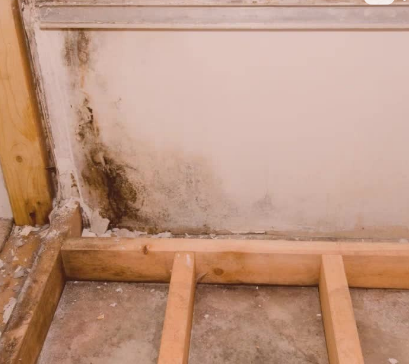
- Analysis and Reporting: After the flight, the images and data are analyzed. The inspector identifies damaged shingles, cracks, leaks, mold, or other issues. This information is compiled into detailed reports, often including annotated images, videos, and 3D models.
- Client Communication: The final step involves sharing the findings with clients, providing recommendations for repairs or maintenance, and advising on the next steps.
Legal and Certification Considerations
To operate drones commercially for roof inspections, professionals must adhere to Federal Aviation Administration (FAA) regulations and obtain proper certification, such as the FAA Part 107 remote pilot license. Certification ensures the operator understands airspace rules, privacy considerations, and safety protocols.
The Future of Roof Inspections
As drone technology continues to evolve, we can expect even more sophisticated tools, such as AI-powered image analysis and autonomous flight plans. These advancements will further improve the accuracy, speed, and safety of roof inspections.
Do You Need a Roof Inspection in Charlotte, NC?
If you own property in
Charlotte,
Lake Norman,
Mooresville, or
Huntersville, NC, and are interested in
roof inspection solutions,
contact us at Fireline Inspections. We’ve been inspecting roofs in this area of North Carolina for years and have used the latest in drone technology to survey your roof.