

Radon Gas: Inspecting and Detecting It in Your Home
Radon Testing: What Every Homeowner Should Know
Radon gas is a silent but serious health threat that many homeowners overlook. As a naturally occurring radioactive gas, radon is produced when uranium in soil, rock, and water breaks down. You can’t see or taste radon, making it especially dangerous because it often goes undetected. Long-term exposure to high levels of radon increases the risk of lung cancer, making inspection and detection vital steps in safeguarding your home’s residents.
Understanding Radon and Its Risks
Radon emanates from the ground beneath many homes, especially in certain geographic regions. According to the Environmental Protection Agency (EPA), radon is the second-leading cause of lung cancer after smoking. The risk depends on the amount you’re exposed to. The higher and longer the exposure, the greater the potential impact on your health. Since radon accumulates in enclosed spaces, inadequately ventilated basements, crawl spaces, and lower levels of homes tend to have higher concentrations.
Why Inspection and Detection Matter
Given its invisible nature, inspecting for radon isn’t straightforward. Faulty or absent detection can mean a hidden hazard that persists unnoticed. Homeowners might only realize they’re at risk after health issues arise or after discovering elevated radon levels during a test. Regular radon testing is the most reliable way to determine if your home presents a danger.
How to Inspect for Radon
Radon inspection involves both professional and DIY testing. There are DIY methods available, but it’s always best to have a professional do this type of work so you’re 100% sure your home is radon-free. Here’s an overview:
Professional Radon Testing
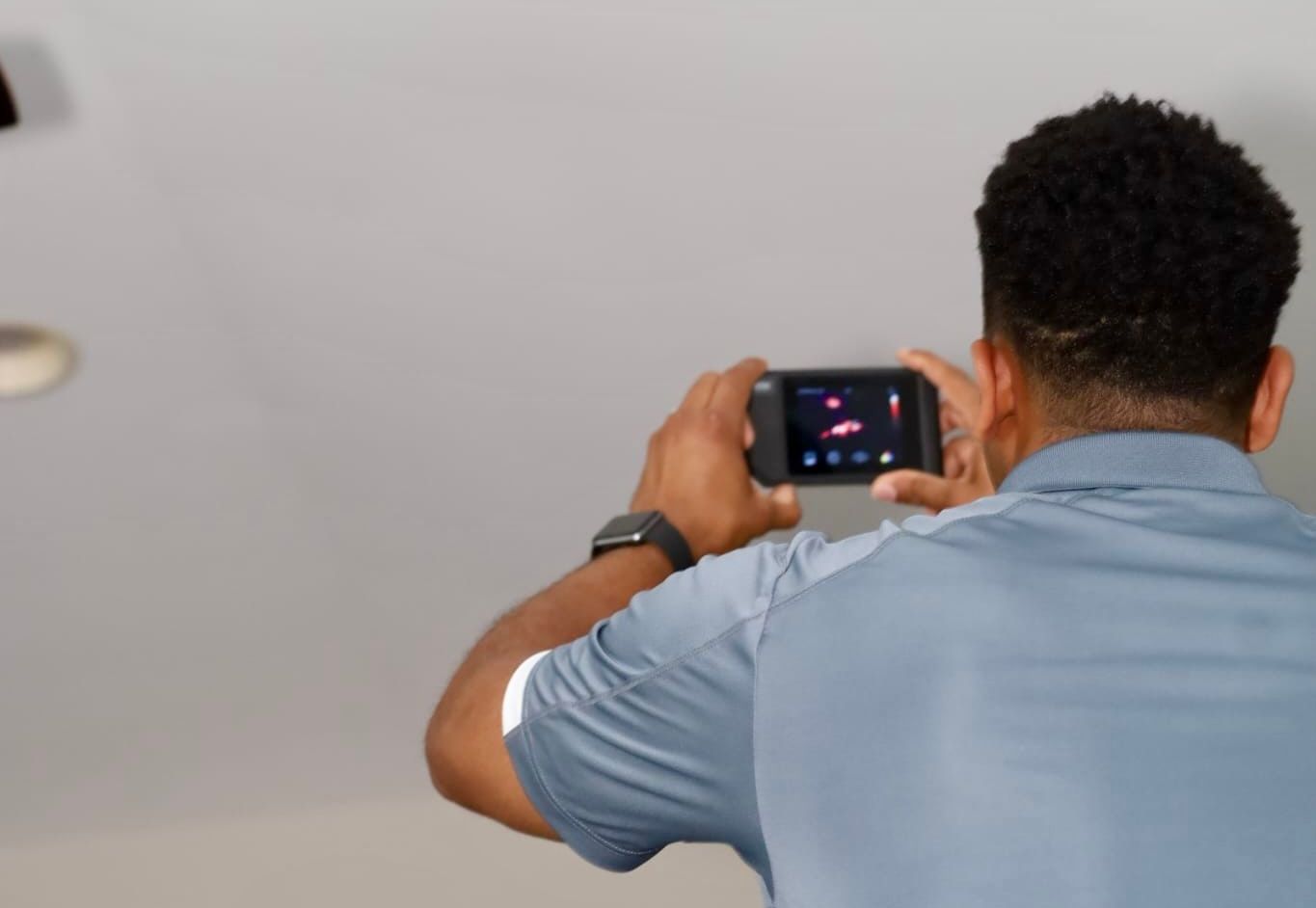
Hiring a certified radon measurement professional ensures precise and comprehensive testing. They will use specialized instruments to conduct short-term or long-term tests. Short-term tests typically last from 2 to 7 days, providing a quick snapshot of radon levels. Long-term tests span over 90 days, which can give a more accurate assessment of year-round exposure. Professionals also have access to continuous radon monitors that can provide detailed data.
Why Professional Testing Is Necessary
Because radon is undetectable by human senses, relying on professional radon inspectors is the most effective way to accurately assess your home’s radon levels. Certified radon measurement specialists have specialized equipment designed for precise detection. They conduct comprehensive tests that consider seasonal variations and fluctuations over time, offering a reliable picture of your indoor radon exposure.
Scheduling a Radon Inspection
If you’re concerned about radon, the best course of action is to contact a qualified radon inspector. Professionals will perform a thorough assessment using state-of-the-art detection devices, such as continuous radon monitors or activated charcoal short-term test kits, which they will professionally administer and interpret. This ensures your results are accurate, consistent, and compliant with safety standards.
What to Expect During a Radon Inspection
During a professional radon inspection, the inspector will identify the lowest livable areas, like the basement or main living space, where radon levels are most likely to be elevated. They will place their testing devices appropriately and leave them for the necessary duration, which could be a few days to several months, depending on the type of test used. Once the testing period is complete, the inspector will analyze the results and explain the findings clearly. If elevated radon levels are detected, they will recommend appropriate mitigation steps.
Addressing Elevated Radon Levels
Should your home test reveal radon concentrations above the EPA’s recommended limit of 4.0 pCi/L—which stands for picocuries per liter, a unit used to measure the concentration of radon—certified radon mitigators can install ventilation systems, sealing methods, and other solutions to effectively reduce radon levels and protect your household. Properly designed and maintained mitigation systems can significantly decrease radon concentrations and ensure your home remains a safe living environment.
The Importance of Regular Testing
Radon levels can fluctuate over time due to changes in soil, construction activity, weather, and home modifications. Therefore, ongoing monitoring through professional testing every 2 to 5 years is advisable, particularly if previous tests indicated high levels. Routine inspections help ensure continued safety and prompt action if radon levels change.
Do You Need Radon Testing in Charlotte, NC?
If you live in
Charlotte,
Lake Norman,
Mooresville, or
Huntersville, NC, and you haven’t had your home checked for
radon in more than five years,
contact us at Fireline Inspections. We’re firefighter-owned, so we understand the importance of safety in the home, workplace, and everywhere else in the community.